Apple Grabs Second Place in China as Market Shrinks
Apple's iPhone 18 Pro launch pushed it up the rankings even as overall shipments in China fell to a 14-year low.
By Aever Bundji ·
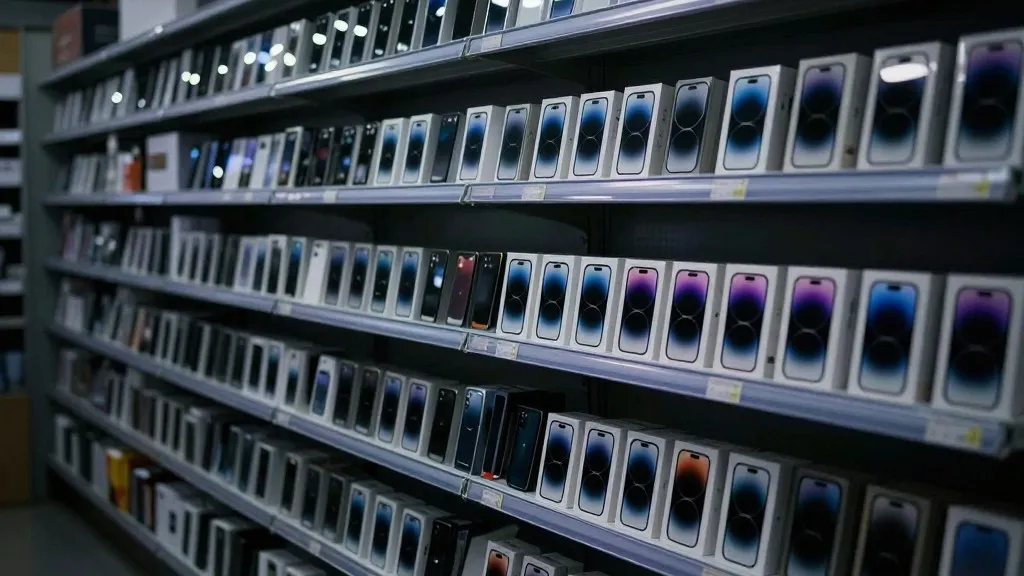
Apple's latest iPhone launch has vaulted the company to second place in China, a market where overall shipments have fallen to their lowest point in 14 years. Counterpoint Research reported that the third quarter of 2026 saw smartphone shipments in China decline 10 percent compared with the same period a year ago, weighed down by rising memory prices.
Apple took 19.5 percent of shipments in China during the quarter, up 4.8 percentage points from a year earlier. That gain moved the company from sixth place to second. Huawei sits at 21.3 percent, up 5.3 percentage points year over year. Those two brands were the only major players to gain share among the top six.
Among other major brands, Vivo fell 2.8 points to 15.2 percent, and OPPO slipped 1.3 points to 15.1 percent. Xiaomi dropped 1.6 points to 13.5 percent, and HONOR declined 2.2 points to 12.7 percent. Other manufacturers combined lost 2 points and ended the quarter at 2.8 percent.
Counterpoint pointed to the iPhone 18 Pro series as one reason for Apple's jump. The firm stated that the lineup "saw a strong launch in China," with sales in the first three weeks up 23.5 percent year over year compared with the iPhone 17 Pro series. The research firm also suggested that the delayed arrival of the base iPhone 18 may have nudged some shoppers toward the Pro models, helping early sales.
A separate report from IDC, published a few days earlier, offered a different set of numbers. IDC said smartphone shipments in China fell 15.4 percent year over year in the third quarter, and that Apple's share of the total rose to 17.8 percent even as iPhone shipments declined 4.3 percent.
IDC also described a weak global picture. It estimated that worldwide smartphone shipments fell a record 22 percent year over year in the quarter. Apple posted the smallest decline among the top five manufacturers, at just 4 percent.
Looking ahead, Counterpoint warned that conditions could stay difficult. Higher smartphone prices are leading consumers to put off upgrades, wait for promotional periods or choose refurbished devices instead. That behavior could add further pressure to demand in the fourth quarter.
Source: 9to5Mac