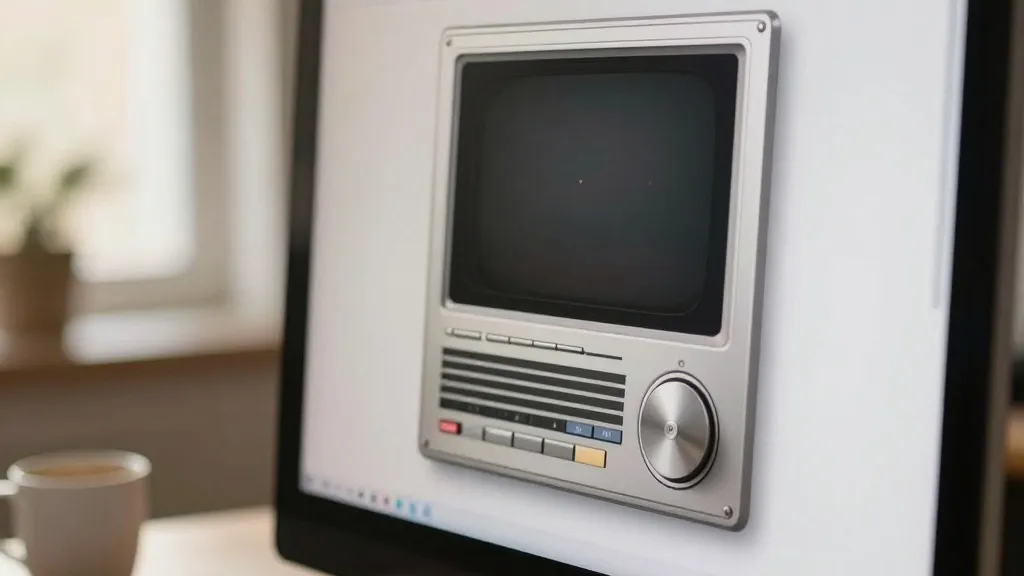
Apple Music Embeds 1,029 Songs in a Hidden Virtual iPod
A functional replica of the original iPod is now accessible on Apple Music error pages, featuring a library of over a thousand tracks to mark the device's 25th anniversary.
By Emily Carter ·
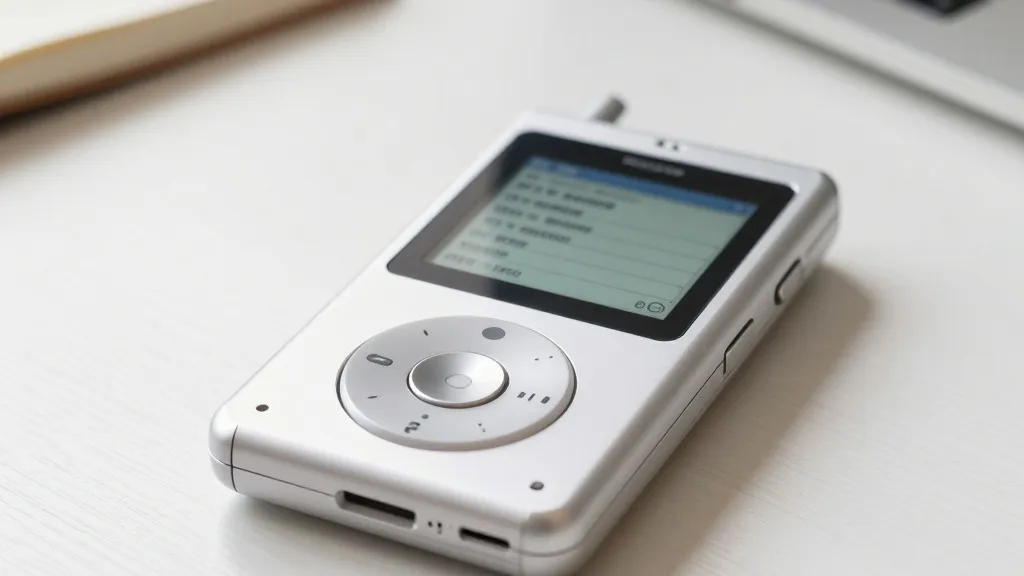
Apple has integrated a fully interactive digital replica of the original iPod into its Apple Music website to commemorate the 25th anniversary of the device's initial unveiling. This hidden feature is currently accessible to any user who navigates to a broken or non-existent page on the platform. By embedding this nostalgic tool into a standard error state, the company has created an unexpected interactive experience for a specific subset of its audience.
The original iPod holds a significant place in consumer technology history, frequently cited as one of Apple's most transformative products. At its launch, the device was marketed with the memorable tagline suggesting it could hold 1,000 songs in the user's pocket. The new virtual implementation serves as a direct reference to that early promise, allowing modern listeners to interact with the interface that once defined portable music consumption.
The entry point for this experience is subtle. Below the standard notification indicating that a page cannot be found, a brief instruction prompts the user to "give this a spin instead." Upon following this direction, the interface shifts to display a working model of the classic hardware. Users are presented with a library containing exactly 1,029 playable tracks, slightly exceeding the number referenced in the original marketing campaign.
The interactive elements of the virtual device respond to user input, mimicking the physical controls of the original hardware. The click wheel and adjacent buttons function as expected, allowing for navigation through the menus. However, the experience has been described as somewhat unstable in certain testing environments. Reports indicate that the interface may not load or function correctly on all desktop computers, suggesting that the implementation is optimized primarily for mobile devices where touch screens better replicate the feel of the original hardware.
The menu structure mirrors the familiar layout of the early 2000s device, organized into distinct sections for Playlists, Artists, Songs, and Settings. The music catalog curated for this feature reflects the sonic landscape of that era. The library includes tracks from artists such as Baha Men, blink-182, and Eminem. For users in the United Kingdom, the selection also features acts like Daniel Bedingfield, The Fratellis, and Klaxons, though it remains unclear if these specific regional additions are visible to users in other territories.
Playback on the virtual device is limited to a 90-second preview of any given track, a constraint that aligns with common streaming platform limitations. This restriction prevents the full listening experience from the virtual device, positioning it as a nostalgic demonstration rather than a complete music player. The brevity of the clips encourages users to engage with the interface for short bursts of interaction rather than extended listening sessions.
Additional details of the implementation include the inclusion of a hidden gaming feature. The Breakout-style game known as Brick, which was a secret extra on the first physical iPod, is also playable in this digital version. To access the game, users must replicate the original process by holding the center button on the About screen for several seconds. This level of detail in the recreation suggests a deliberate effort to capture the full user experience of the legacy device.
The virtual iPod does not appear to require an active Apple Music subscription to function, making it accessible to a broader range of visitors. The decision to invest development resources into a feature that most users will likely never encounter has generated curiosity about the company's intent. While the practical utility of the tool is limited, its presence serves as a technical nod to the product that helped establish Apple's dominance in the consumer electronics market two and a half decades ago.
As the 25th anniversary of the iPod's launch approaches, this hidden element provides a tangible connection to the device's legacy. It offers a brief, interactive glimpse into the past for those who discover it, reinforcing the cultural impact of the original hardware. The feature stands as a quiet celebration of a product that fundamentally changed how people consume music on the go, encapsulated within the digital infrastructure of its modern streaming service.
Source: Engadget