President's Crypto Case Dismissed After Coin Crash
A federal judge has closed the fraud investigation into President Milei and his sister, ruling that the collapse of the $Libra token did not constitute criminal deception.
By Valentina Cruz ·
The legal battle over a controversial cryptocurrency tied to the Argentine presidency has ended without a verdict against the executive. Federal judge Marcelo Martinez de Giorgi has dismissed the criminal case involving President Javier Milei and his sister, Karina Milei. The decision follows a request from prosecutors who believed the evidence did not support a formal charge. This conclusion brings a definitive stop to a probe that had become a focal point for critics concerned about financial transparency and the influence of digital assets on public policy.
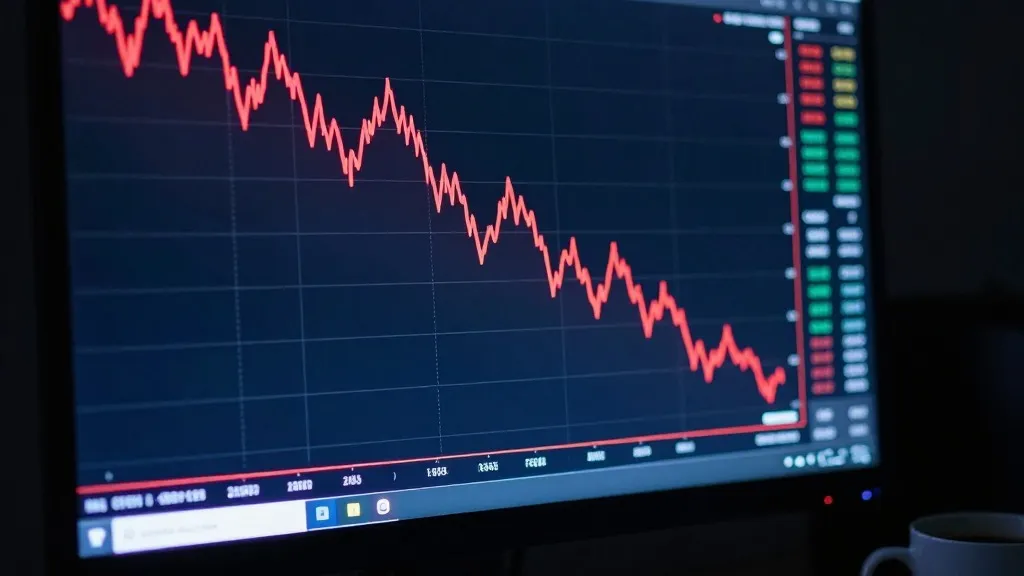
The dispute began in early 2025 when the president posted about a new token called $Libra on X, the platform formerly known as Twitter. He stated that the coin would assist in funding small businesses and start-ups, and he included a direct link for followers to purchase it. The market reacted immediately, with the token's price spiking sharply following his endorsement. However, the situation reversed within hours as the president removed the post. The value of the currency then plunged, leaving many individual investors with significant losses. This rapid rise and fall triggered accusations of a rug pull, a common fraud scheme in the crypto space where promoters halt trading after raising capital.
The incident quickly moved from social media debates to formal political action. Opposition members of Congress announced plans to initiate impeachment proceedings against the president. The legal team behind the investigation sought to determine whether the actions taken by the president and his sister amounted to a legally recognized crime. After reviewing the available evidence, the judge concluded that the reported events did not fit into a specific legal category for fraud. He further stated that no criminally relevant deception had been proven in the court's view.
President Milei has maintained his innocence throughout the process. In an interview with Todo Noticias, he clarified his role by saying, I didn't promote it, I merely shared it. He argued that he acted in good faith while the asset was gaining value. Regarding the deletion of the social media post, he explained that he lacked detailed knowledge of the project and decided to stop promoting it after learning more. He also noted that investors had entered the market voluntarily and understood the inherent risks involved in such transactions.
The presidential office reinforced this stance by asserting that the president had no part in the development of the token. They also indicated that the Anti-Corruption Office would review the situation to ensure proper conduct. As of the latest reports, the president had not issued a public statement in direct response to the judge's dismissal of the case. The closure of this investigation marks a significant moment for the administration as it moves forward with its economic agenda.
The outcome leaves the question of how presidential social media activity interacts with financial markets open for future debate. While the legal system has ruled out criminal liability in this specific instance, the episode has highlighted the volatility associated with new digital assets. For working families and investors who participated in the $Libra launch, the decision ends the formal legal scrutiny but does not erase the financial impact of the rapid market shift. The administration now expects to shift its focus back to broader policy initiatives without the distraction of an active criminal trial.
Source: BBC News