A tiny robot duck becomes a holiday sensation after Nvidia CEO's demo
Preorders for the Microduck exceeded twenty thousand units following a viral keynote performance in Berlin.
By Mykola Bondarenko ·
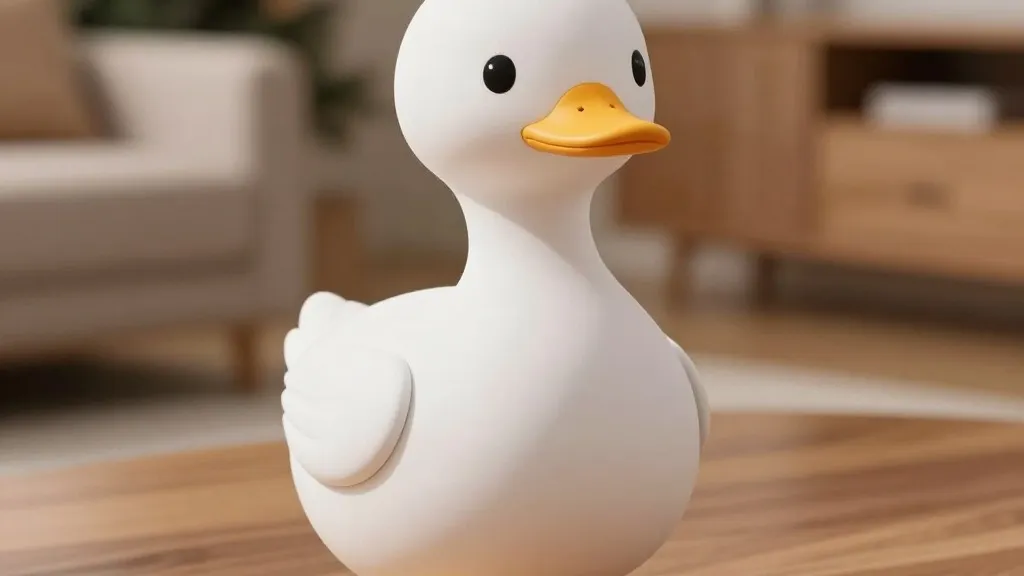
The rapid surge in consumer interest for a new robotic toy has captured the attention of the tech world, with preorders for the Microduck surpassing twenty thousand units within just one day of a high-profile demonstration. This spike in demand follows a video that went viral earlier this week, featuring Jensen Huang, the chief executive of Nvidia, interacting with a group of these small machines during the company's GTC conference in Berlin. The footage showed the devices performing a variety of actions, including stomping their feet, emitting sounds reminiscent of the astromech droid R2-D2, and executing somersaults upon receiving voice commands. At one point, the robots even simulated falling asleep, adding to their charm and engaging the audience.
The numbers behind this sudden popularity are striking. According to Clem Delangue, who is associated with Hugging Face, the preorder count jumped past the twenty thousand mark by the day after the keynote. This velocity in sales suggests that the device is poised to become a major player in the holiday market. Delangue has expressed the view that these units could end up being the best-selling robots of the year. He noted that the appeal is not limited to children, as promotional materials frequently feature adults enjoying the interaction with the devices, indicating a broader demographic appeal.
The timeline for delivery supports the hypothesis that these robots are positioned as key Christmas gifts. Manufacturers expect the units to reach customers in time for the holiday season. Given the speed at which preorders are accumulating, there is a strong possibility that the Microduck will dominate the market for robotic toys this year. The devices are designed to be interactive companions, responding to user input and performing programmed behaviors, which contributes to their marketability as entertainment products rather than just technical gadgets.
The corporate structure behind the product reflects recent shifts in the technology industry. The Microducks are produced by Pollen Robotics, a company that was acquired by Hugging Face in 2025. In September of this year, Nvidia purchased Hugging Face, effectively bringing the robot line under the umbrella of the GPU giant. This acquisition marks the second robot venture for Hugging Face, following the release of the Reachy Mini, which also received positive attention for its design and functionality. The integration of these companies highlights the expanding ecosystem of open-source hardware in the consumer space.
From a technical standpoint, the Microducks are open-source devices that leverage Nvidia's technology stack for their development. During the manufacturing process, simulations of the robots were used to teach them basic movements such as walking, sitting, and standing. These pre-programmed tricks are included in the units that ship to consumers. Pollen Robotics has also outlined a plan for community engagement, stating that owners will be able to train their specific robots with new maneuvers. Once learned, these custom tricks can be shared with the wider user base, fostering a collaborative environment around the hardware.
The launch of the Microduck arrives at a moment when the artificial intelligence industry is navigating a period of public scrutiny. Earlier this week, the sector faced significant criticism after a series of cyberattacks were attributed to AI involvement, leading to a generally somber tone in news coverage. In contrast, the Microduck offers a lighter, more playful perspective on the capabilities of machine learning. The viral success of the keynote demonstration serves as a reminder that while AI technologies can have serious implications for security and global infrastructure, they also hold potential for creating enjoyable and engaging consumer experiences.
The interaction between the CEO and the robots in the video was central to the device's viral spread. Huang was seen playing with the flock of Microducks, which waddled around the stage. Their ability to respond to commands and perform physical actions like falling over and getting back up added a layer of unpredictability and charm to the presentation. This direct engagement helped humanize the technology, making it more accessible to a general audience that might not typically follow technical keynotes. The visual appeal of the small, waddling robots proved to be a powerful marketing tool in its own right.
As the holiday season approaches, the Microduck is well-positioned to capture a significant share of the gift-giving market. The combination of open-source hardware, community-driven features, and strong corporate backing from Nvidia and Hugging Face provides a solid foundation for its growth. The fact that preorders reached such a high number so quickly indicates that there is a pent-up demand for interactive, cute robotics in the consumer space. For many observers, the video of the CEO playing with the ducks served as an easy decision point for purchase, turning a technical demonstration into a compelling commercial success story.
The broader implications of this trend suggest a shift in how robotic toys are perceived. No longer are they seen as complex, expensive tools for education or specialized tasks. Instead, they are becoming accessible entertainment devices that can be trained and customized by their owners. The success of the Microduck may encourage other companies to invest in similar open-source platforms, further democratizing the field of consumer robotics. As delivery dates approach, the focus will likely shift to how well these units hold up in real-world home environments and how active the community of users becomes in sharing new tricks and modifications.
In conclusion, the Microduck has established itself as a standout product in the current tech landscape. Its journey from a stage prop at a corporate conference to a pre-order phenomenon in under twenty-four hours underscores the power of viral marketing and the enduring appeal of cute, interactive technology. With the backing of major industry players and a clear path to holiday delivery, the robot is set to make a significant impact in the coming months. For now, it stands as a cheerful counterpoint to the more serious challenges facing the AI industry, proving that technology can be both innovative and delightfully fun.
Source: TechCrunch