Tesla Optimus Humanoid Robot Launch Delayed
Tesla has pushed the start of external Optimus deliveries to late 2027, citing persistent engineering challenges with the robot's hands and durability.
By Fatima Zayed ·
Tesla has officially shifted its target for delivering Optimus humanoid robots to external customers to the end of 2027. During the Q3 2026 earnings call, Elon Musk indicated that significant hurdles remain in the robot’s physical durability and artificial intelligence capabilities. This latest adjustment marks another shift in the timeline for what was originally pitched as a near-term mass-market product.
The decision to delay external rollouts stems from internal assessments that the hardware and software are not yet robust enough for industrial use. Musk stated that while early production has begun on the high-volume line in Fremont, the facility requires at least a year, and potentially longer, to reach its target capacity. This production line, previously used for Model S and X vehicles, is designed for an eventual output of approximately 20,000 units per week, or one million robots annually.
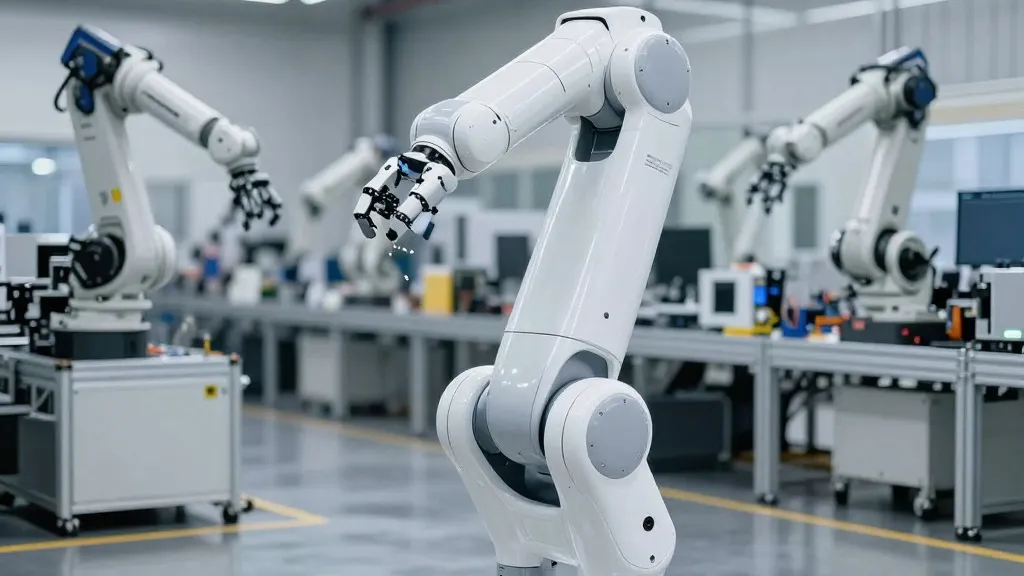
A primary technical obstacle cited is the robot's hands. A Tesla engineer noted that the hand is one of the most difficult hardware components, alongside custom gears that face reliability concerns. The design challenge lies in creating fingers that are soft enough to manipulate delicate objects yet durable enough to withstand constant wear without the natural recovery mechanisms found in human skin. Musk agreed that the hand is the main issue preventing immediate scalability.
Beyond hardware, the AI architecture remains a work in progress. Unlike Tesla’s vehicle fleet, which generates vast amounts of data for Full Self-Driving, the robot fleet is too small to provide similar training inputs. To address this, the company plans to construct 10,000 to 20,000 robots for an internal 'Optimus Academy' where they can practice tasks. Additionally, the integration of the AI5 chip is scheduled for around April 2027 to improve processing capabilities.
This delay follows a pattern of shifting timelines. In 2024, executives suggested internal use in 2025 and high-volume external sales in 2026. By January 2025, the goal was to build 10,000 robots with several thousand performing useful work by year’s end, a target that was later admitted to have been missed. The Q3 shareholder letter now describes the current output from Fremont as the first 'production-quality' bots, implying that previous units were prototypes or pre-production models.
Competitors in the humanoid sector are also grappling with similar issues but are making distinct progress. XPeng activated an automated production line for its IRON robot in Guangzhou in September, with over 80% of core processes automated. XPeng aims for mass production by the end of 2026 and deliveries in the first half of 2027, a timeline comparable to, if not slightly ahead of, Tesla’s. Meanwhile, Boston Dynamics began producing its electric Atlas in January and has committed all 2026 deployments, including partnerships with Google DeepMind and Hyundai.
While Musk asserted on the call that no other company is close to Tesla’s capabilities in general-purpose humanoids, industry observers point to the tangible progress by rivals. Boston Dynamics, for instance, has adopted a pragmatic approach to hands, prioritizing sturdy industrial grippers over human-like dexterity to bypass the reliability issues that are currently holding Tesla back. This strategy allows for immediate utility in manufacturing environments, such as sequencing car parts at Hyundai’s Metaplant in Georgia.
Tesla has promised to release a video within the next month or two showing the robot performing unscripted tasks, aiming to demonstrate that its AI can generalize beyond pre-programmed routines. However, given the history of slipping dates and the fundamental challenges of hardware reliability and AI generalization, the late 2027 target remains a cautious projection. The industry consensus is that while building robots is achievable, making them consistently useful and reliable is the true barrier to entry.
Source: Electrek