Apple scales back iPhone Duo production targets amid surge in sales
The tech giant has raised its shipment goals for its first folding smartphone to 14 million units after initial delivery delays sparked confusion.
By Camila Rodriguez ·
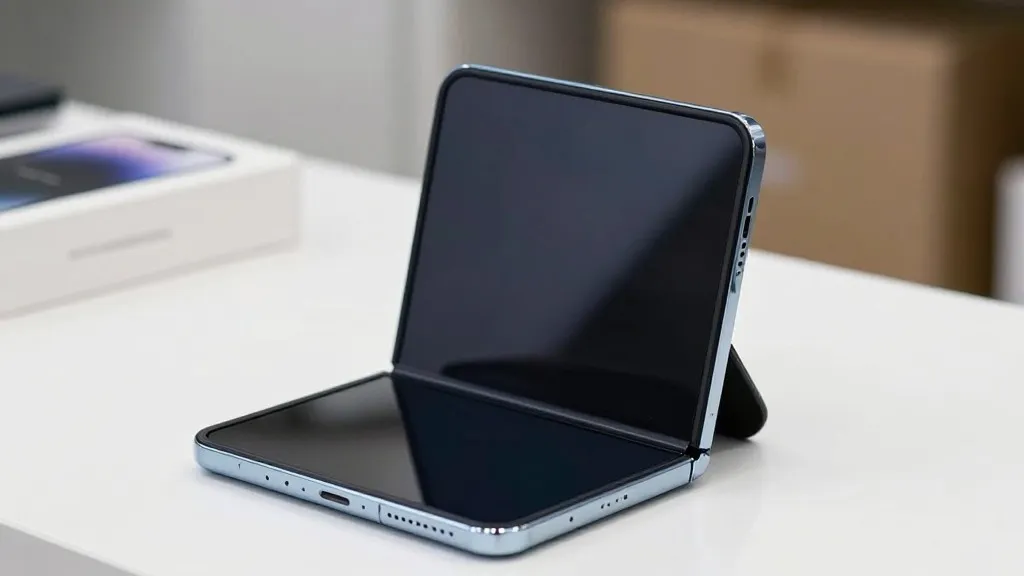
A major disconnect between consumer enthusiasm and manufacturing capacity has emerged around Apple’s newest hardware release. While the company launched its first folding iPhone with high expectations, the immediate aftermath revealed a strain on the supply chain that required a rapid adjustment in production planning. The situation has shifted from uncertainty about whether delays were due to logistical issues or genuine popularity to a clear indication that demand is outpacing initial forecasts.
The timeline of events began on Friday when pre-orders for the iPhone Duo officially opened. Almost instantly, customers noted that their estimated delivery dates were slipping. Some orders showed arrival times extending into late January. Apple attributed this shift to what the company labeled as extraordinary demand. However, skeptics noted that the firm frequently uses this specific phrasing for standard iPhone launches, leaving some ambiguity about the true scale of the interest. To manage the rush and reduce the impact of scalping, the company imposed a limit of two units per customer.
In the days following the launch, a pattern of correction became apparent. Some early buyers began receiving updated notifications with earlier shipping estimates. This change aligns with new information from supply chain sources reported by DigiTimes. The data suggests that Apple has actively ramped up its manufacturing efforts to meet the sustained interest in the new device.
The most significant indicator of this shift is the adjustment in shipment targets. Originally, Apple had planned for 9.7 million units over the first twelve months. Based on the current trajectory, that figure has now been increased to 14 million units. This represents an increase of more than 40% in the expected order volume for the device’s first year on the market.
For early adopters, the experience is not without friction. Third-party applications have not yet been fully optimized for the new device’s unique form factor. Apple states that the situation is improving quickly as developers update their software. Initial reviews based on a week of usage consistently highlight app support as a primary area of focus, alongside the hardware itself.
One notable change in the hardware design was the inclusion of Touch ID, which some users viewed as a step back from the standard Face ID system. However, recent reports indicate that Apple is already testing prototypes for the iPhone Duo 2 that feature Face ID. This suggests the company is actively gathering feedback to refine the biometric security features for the next iteration.
Looking ahead, the focus will remain on how well Apple can sustain this increased production rate. The jump to 14 million units will test the efficiency of its supply chain over the coming quarters. As more units ship and the app ecosystem matures, the initial tension between demand and supply may resolve into a steady state of availability.
Source: 9to5Mac