40,000 Terminals: The Cost of Relying on Starlink
Ukraine is scrambling to find backup satellite options after recent service disruptions and political tensions with Elon Musk.
By Neha Iyer ·
Ukraine is no longer fully dependent on Starlink for its war communications. This shift is happening now, driven by recent, unexpected outages and the growing influence of Elon Musk’s political views on the service. The satellite network has been a lifeline for the country’s resistance against Russia for years. But reliability is slipping. For the first time, Ukrainian leaders and European allies are asking hard questions. They want to know how to fight if the link goes down.
The scale of the reliance is massive. The United States government and European nations, including Poland and Germany, have paid for tens of thousands of commercial Starlink terminals. These devices were shipped to Ukraine. The Western partners also cover the subscription fees. This financial support has been a cornerstone of the aid package. The numbers represent a significant investment in a single private company’s infrastructure. That investment now comes with new risks.
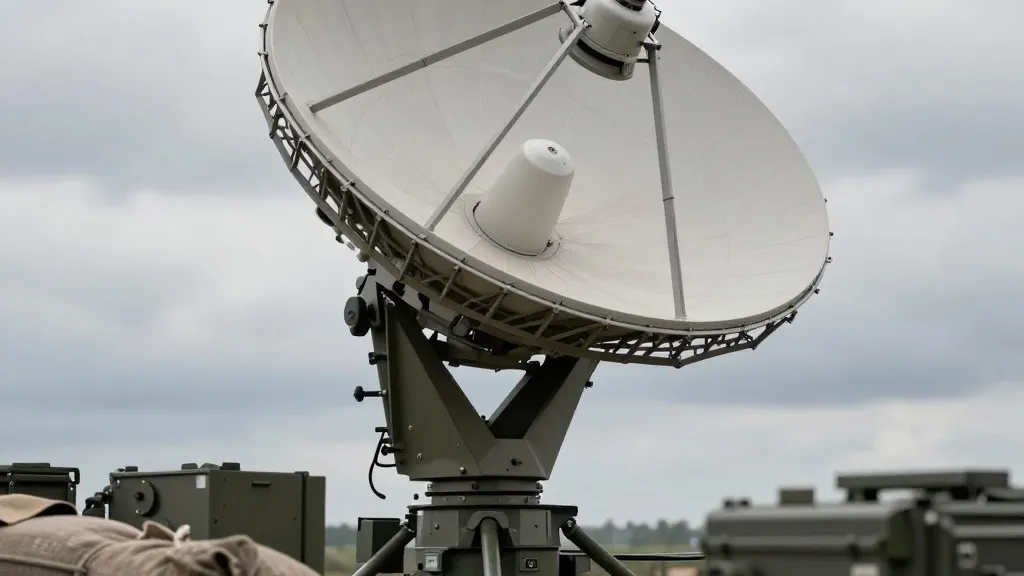
Starlink is the largest communications satellite network in the world. It provides high-speed internet and data streams. Users only need a compact terminal to connect. This technology changed the battlefield. It allowed Ukraine to keep civilian lines open. It also gave the military a critical edge. Soldiers could communicate in real time. Command structures stayed intact even when ground networks were hit.
The impact on military operations has been profound. The network enables the remote control of drones. These drones are used for air defense against Russian attacks. They are also used to strike targets deep in enemy territory. Guidance systems rely on the satellite link. Without it, many advanced weapons become harder to aim and control. The system has expanded what the Ukrainian military can do on the front lines.
However, the service is not perfect. A representative from BlueBird Tech, a Ukrainian defense company, spoke to Ars Technica. This person works in hardware research and development. They agreed to stay anonymous for security reasons. They noted that Starlink offers some of the best satellite coverage available. There are virtually no competitors when you consider cost, availability, and ease of use. This makes it the default choice for many units.
The main limitation is physical. The antenna must be positioned correctly. It needs a clear line of sight to receive signals from the satellites. This can be difficult in dense urban areas or rugged terrain. Despite this constraint, the network remains superior to other options. The BlueBird Tech representative highlighted this combination of factors. It explains why the military has leaned so heavily on the system. The practical benefits have outweighed the risks until now.
There is also a military-grade version of the service. It is called Starshield. The US government has given Ukraine’s military access to this variant. It offers more robust capabilities for defense operations. Ukrainian defense companies are currently testing their technologies in cooperation with the military. They are using Starshield to see how it performs. This parallel track is important. It provides a backup within the same ecosystem.
The political dimension is now a major factor. Musk’s political inclinations have become increasingly visible. This has made the service feel less neutral to some users. The latest surprise disruptions to service in Ukraine have heightened these concerns. Users are left wondering if the outages are technical or strategic. The uncertainty is expensive. It forces planners to consider worst-case scenarios.
Europe as a whole is facing these urgent questions. The continent realized how much it depends on a single private provider. The disruptions have exposed a vulnerability. Governments are now looking for alternatives. They want to ensure that communications do not fail when it matters most. The stakes are high. A loss of connectivity could slow down operations. It could isolate units. The search for a backup is no longer a future plan. It is an immediate priority.
The shift is underway. Ukraine is learning to fight without total reliance on Starlink. This does not mean the service will be dropped. It remains the best tool available. But the days of unquestioning trust are over. The military is diversifying its options. It is testing new systems. It is preparing for a world where the link might be intermittent. The war has taught a hard lesson. Dependence on a single vendor is a risk. Now, the focus is on resilience. The goal is to keep fighting, no matter what happens with the satellites.
Source: Ars Technica