Military clients bypass SpaceX as European rocket nears readiness
Space Force contracts were declined by SpaceX this week, while a Spanish startup reports its new rocket is almost ready for flight tests.
By Marcus Johnson ·
For those tracking the commercial space sector, the landscape shifted noticeably this week. While major US providers continue to juggle their client lists, a smaller European firm is moving closer to its first major milestone. The news suggests that the hierarchy of launch providers is becoming less rigid, with companies making strategic choices about which contracts to accept and which to pass on.
The most significant development involves SpaceX, which reportedly turned down three launch contracts offered by the US Space Force. The company communicated its decision to the military branch, effectively telling them that these specific missions were not a priority for their current schedule or operational goals. This rejection stands out because it highlights the growing leverage SpaceX holds in the market, allowing it to be selective even with high-profile government clients.
This decision comes amid broader discussions about how SpaceX manages its diverse portfolio. On the civilian side, attention has turned to the Starship program. A NASA safety panel indicated that a lunar landing mission may require up to 22 refueling stops. This technical detail underscores the complexity of the mission profile and the logistical challenges that remain in making crewed lunar travel a routine reality.
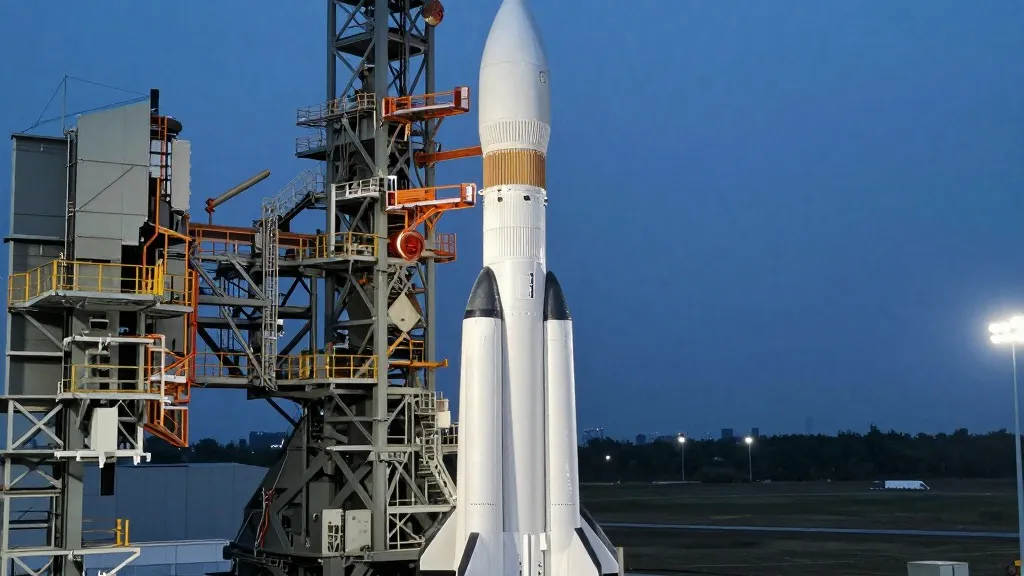
While US giants make headlines, the global race for launch capability continues. In Spain, PLD Space is making steady progress with its Miura 5 rocket. The company states that the vehicle is nearing final integration. This small-lift rocket is scheduled for its inaugural launch next year, marking a significant step for the European space industry.
PLD Space has already manufactured three Miura 5 vehicles. According to CEO Raúl Torres, the other two units are being used to qualify key system elements. This approach allows the team to apply lessons learned from qualification campaigns directly to the launch vehicle. Torres noted that this continuous workflow across production stages has been beneficial for the project's timeline.
Currently, one second stage of the Miura 5 is fully integrated. This unit is undergoing system-level testing under representative operating conditions at the PLD test facility in Teruel. The qualification campaign includes a wet dress rehearsal and a static hot-fire test. These steps are critical for ensuring the rocket's reliability before its first flight, which is targeted for before mid-2027.
In Canada, another startup, Reaction Dynamics, is looking to expand its operations. The company is seeking to raise $350 million to grow its staff from 68 to more than 350 people. This funding drive is part of a broader effort to develop its small-lift Aurora rocket, which the company hopes will reach orbit in 2028. Reaction Dynamics is also planning a medium-lift rocket called Borealis, with a debut targeted for 2031.
These developments paint a picture of a dynamic industry where both established players and new entrants are defining their paths. For ordinary people, the immediate impact is subtle, but the long-term trajectory suggests a more competitive and diverse launch market. As these vehicles undergo testing and funding rounds are closed, the next few years will likely bring more frequent launch attempts and potentially lower costs for accessing space.
Source: Ars Technica